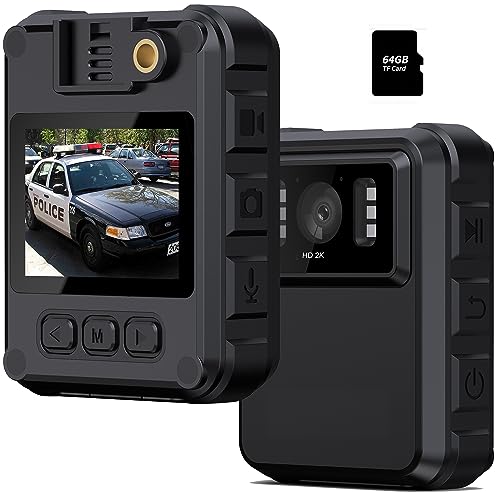
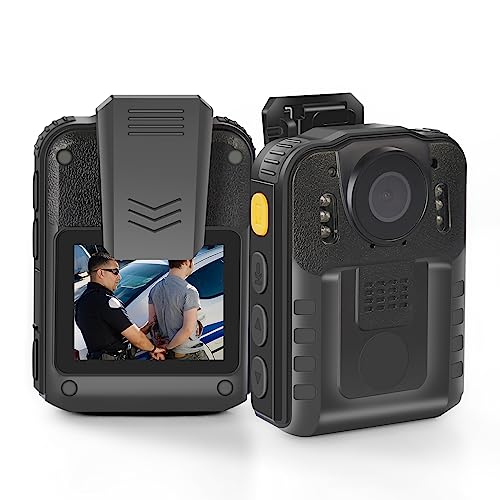
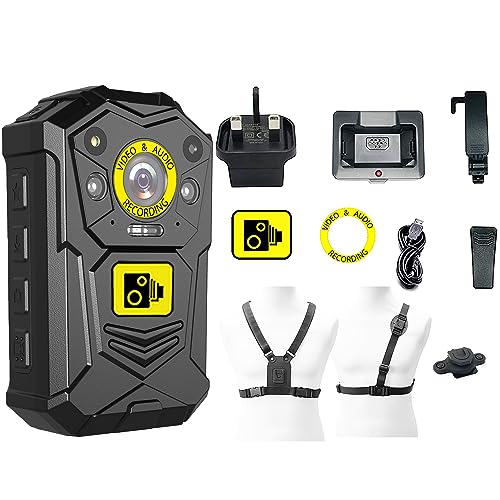
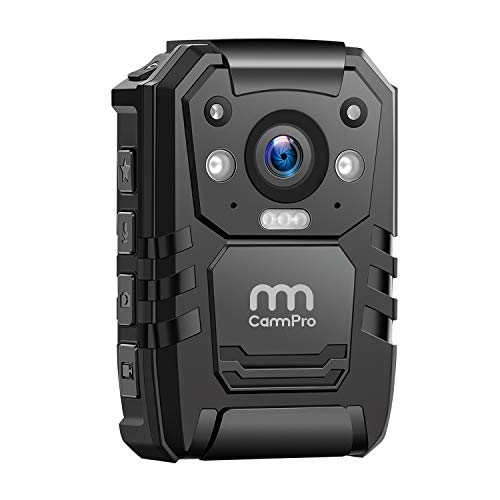
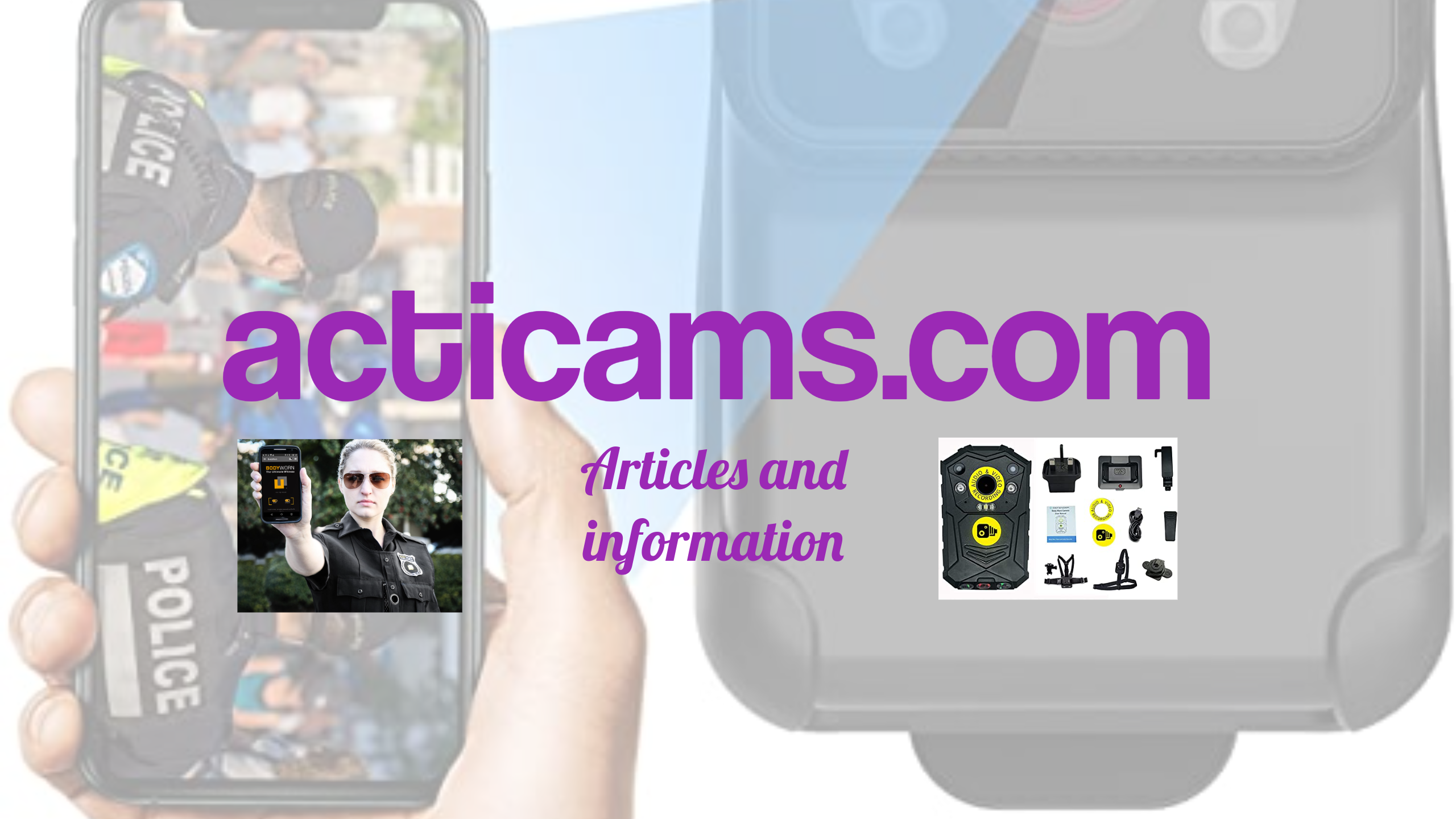
Choosing the Right Body Cam for You
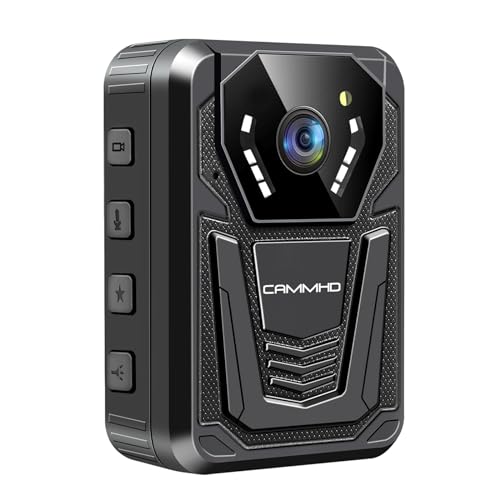
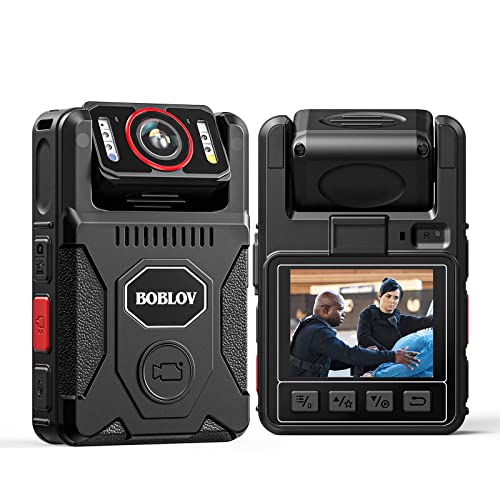
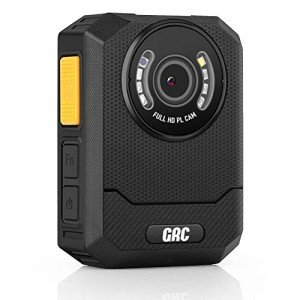
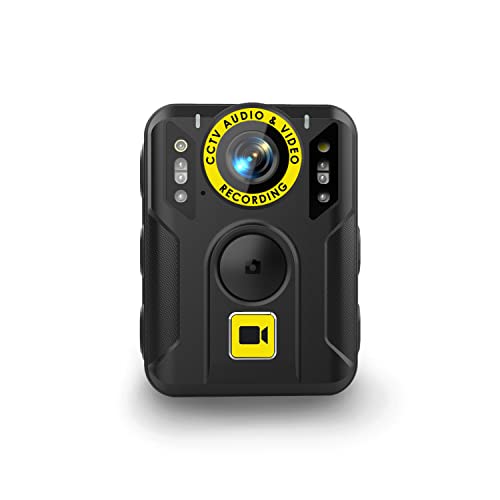
When it comes to selecting the right body cam for you, there are a few key factors to consider. First and foremost, think about the intended use of the body cam. Are you a law enforcement officer needing a durable and reliable camera for daily use? Or perhaps you are a civilian looking for a discreet option for personal safety. Understanding your specific needs will help narrow down your choices.
Another important consideration is the recording quality of the body cam. Look for a camera that offers high-definition video and precise audio recording capabilities. This will ensure that your footage is of the highest quality, making it easier to review and analyze when needed.
Lastly, be sure to consider the size and design of the body cam. Depending on your preferences, you may opt for a smaller, more lightweight camera for added comfort during extended wear. Additionally, consider any additional features that may be important to you, such as night vision capabilities or GPS tracking.
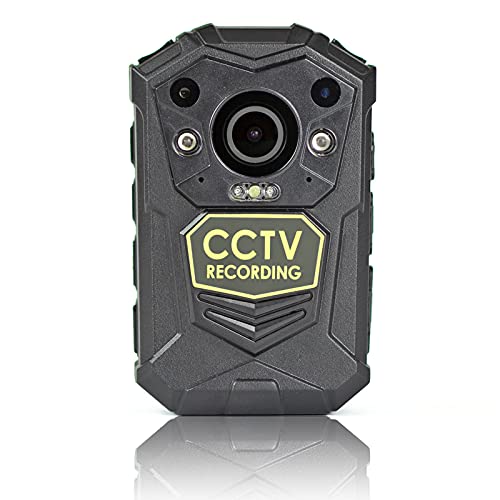
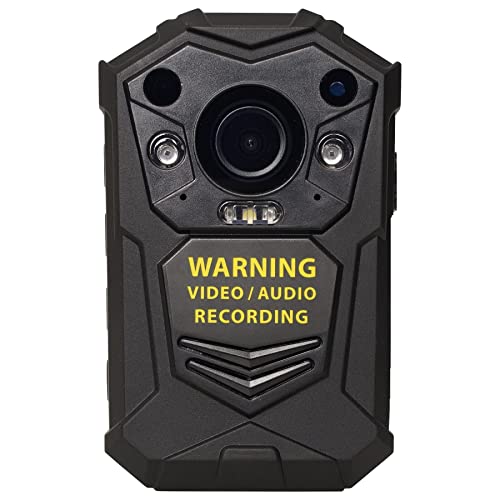
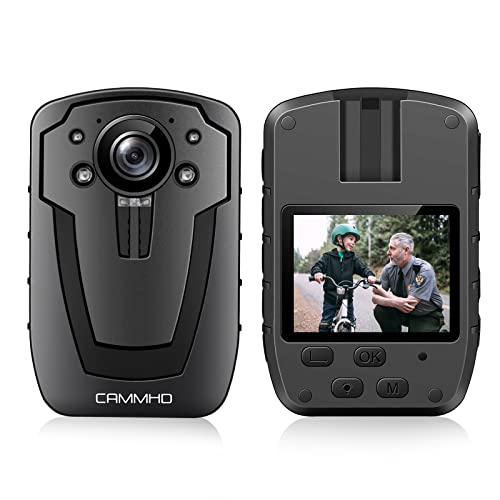
Body cameras, also known as body cameras or body-worn cameras, are small devices typically worn on the chest or head of law enforcement officers. They are designed to capture audio and video footage of interactions between police officers and the public. The main purpose of body cameras is to provide an unbiased record of events, promote transparency, and enhance accountability in law enforcement.
Body cams work fairly simply. When an officer activates the camera, it begins recording audio and video footage of the officer's surroundings. The recordings are stored on a secure digital storage device inside the camera. Sometimes, the footage may be streamed live to a central database or cloud server for real-time viewing.
Most body cams have GPS tracking, night vision, and wide-angle lenses to ensure accurate and clear recordings in various lighting conditions. The cameras are also designed to withstand harsh weather conditions and physical impact. After an interaction is recorded, the footage is typically tagged with metadata such as the time, date, and location to provide context for later review and analysis.
Body cams have become an essential tool for law enforcement agencies worldwide. They have been shown to improve the behaviour of both officers and the public during interactions and provide valuable evidence in investigations. While body cams are not without their limitations, they can impact the way law enforcement operates significantly and increase trust and accountability in communities.
Body cameras have become an essential tool in law enforcement, helping to enhance police accountability and transparency. These tiny devices worn by officers capture imperative interactions with the public, providing crucial evidence in investigations. The footage recorded by body cameras can offer a clear and unbiased account of events, helping protect officers and citizens.
One key benefit of body cams is the ability to provide visual evidence in situations where there may be conflicting reports. This video footage can be invaluable in court cases, helping to establish a clear record of events and holding individuals accountable for their actions. In police misconduct cases, body cam footage can help ensure officers are held responsible for their actions, promoting a culture of accountability within law enforcement.
Body cameras can also help build trust between law enforcement and the communities they serve by promoting greater accountability and transparency. When public members see officers wearing body cameras, they are more likely to feel reassured that their interactions are being recorded and that any misconduct will be investigated appropriately. This increased trust can lead to better relationships between police officers and their communities, ultimately creating safer streets for everyone.
Transparency in Law Enforcement Operations
Body cameras have become a game changer in the fight against police misconduct and abuse of power. In cases with conflicting accounts of an incident, video footage from body cameras can provide a clear and accurate record of what actually took place. This not only helps to protect civilians from unjust treatment but also safeguards officers from false accusations. Body cameras are a deterrent against inappropriate behaviour, leading to improved conduct and professionalism among law enforcement personnel.
The use of body cameras has also been shown to reduce complaints against police officers and incidents of the use of force. This is because both officers and civilians know their actions are being recorded, encouraging respectful and lawful behaviour from both parties. By fostering accountability and transparency, body cameras help to create a safer and more harmonious environment for everyone involved. Ultimately, the widespread adoption of body cameras is a positive step towards building stronger relationships between law enforcement agencies and the communities they serve.
Impact of Body Cams on Public Trust
Body cameras worn by law enforcement officers have had a transformative impact on public trust in recent years. These tiny devices have enabled greater transparency and accountability in police interactions, increasing trust between officers and their communities. Studies have shown that the presence of body cams can de-escalate tense situations and reduce the use of force, ultimately making our streets safer for everyone.
One key benefit of bodycams is their ability to provide an unbiased record of interactions between police officers and civilians. This video evidence can help hold officers accountable for their actions and give a clearer picture of what transpired during an incident. This increased level of transparency helps to build trust among community members, who can feel more confident that their interactions with law enforcement are being recorded and reviewed.
Furthermore, body cameras have been shown to impact officer behaviour positively. Knowing their actions are being recorded can encourage officers to adhere to department policies and procedures, leading to a more professional and accountable police force. This heightened accountability benefits the community, protects officers from false accusations, and ensures they adhere to best practices in their interactions with the public.
Body Cameras: A New Era in Policing
In recent years, body cameras have become essential for law enforcement agencies nationwide. These small, wearable devices have revolutionized the way police interactions are documented, providing crucial evidence in cases of disputes or accusations. Body cameras have helped increase transparency and accountability within police departments, ultimately leading to safer streets for officers and their communities.
One of the most significant advantages of body cameras is their ability to provide an unbiased record of events. By capturing video and audio footage of interactions between police officers and civilians, these devices depict what occurred during an encounter. This footage can be used as evidence in court, helping corroborate the accounts of officers and individuals involved in an incident. Body cameras have also been shown to reduce the number of complaints against police officers, as individuals are less likely to make false allegations when they know their actions are being recorded.
In addition to promoting transparency and accountability, body cameras have also been proven to improve the behaviour of both police officers and civilians. Studies have shown that officers wearing body cameras tend to adhere to departmental policies and procedures, as they know their actions are subject to review. Similarly, civilians tend to be more cooperative and respectful when they realise they are being recorded. Overall, the use of body cameras has been a game changer in policing, helping to build trust between law enforcement and the communities they serve.
Universal body cams have become crucial to maintaining transparency and accountability in various professions, especially law enforcement. These tiny cameras record interactions with the public, providing an unbiased account of events.
One of the main benefits of universal body cams is the ability to protect the individuals wearing the cameras and the civilians they interact with. In disputes or complaints, the footage recorded by these body cams can serve as crucial evidence, helping to resolve conflicts and clarify what actually occurred.
Furthermore, the presence of body cams has been shown to improve behavior and professionalism among individuals wearing them and civilians. Knowing that their actions are being recorded encourages individuals to act by protocols and guidelines, leading to a decrease in instances of misconduct and abuse of power.
Overall, universal body cams are an essential tool in promoting transparency, accountability, and professionalism in various fields. By providing an unbiased record of interactions and encouraging individuals to act ethically, body cams help to build trust between professionals and the public, ultimately creating a safer and more just society for everyone.
Implementing Body Cams in Law Enforcement
One of the key benefits of body cams is that they provide an unbiased record of interactions between officers and the public. This footage can be used as evidence in court cases, ensuring a fair and just legal process. In addition, body cameras can help protect both officers and civilians from false accusations or misconduct, as the footage can provide an accurate account of events.
Furthermore, body cameras can also help in training and evaluating officers' performance. By reviewing body cam footage, supervisors can identify areas for improvement and provide constructive feedback to officers. This can help enhance the overall professionalism and effectiveness of law enforcement agencies.
Overall, implementing body cams in law enforcement is a crucial step towards increasing transparency, accountability, and trust within the community. As technology continues to advance, it is essential for all law enforcement agencies to prioritize the use of body cameras to ensure the safety and well-being of both officers and civilians.
Impact of Body Cams on Public Safety
One of the most significant benefits of body cameras is their ability to capture unbiased, real-time footage of interactions between police officers and civilians. This footage can be used to review incidents, resolve disputes, and hold individuals accountable for their actions. In cases of use of force or misconduct, body cam footage provides crucial evidence that can help determine the truth and ensure justice is served.
Moreover, body cameras have been shown to improve the behavior of both officers and civilians during interactions. Knowing that their actions are being recorded, officers are more likely to follow proper protocols and act professionally, while civilians may be less inclined to escalate confrontations or make false accusations against law enforcement. This ultimately leads to safer and more respectful interactions between all parties involved.
Benefits of Body Cameras
Another advantage of body cameras is their potential to improve officer training and performance. By reviewing footage from body cameras, supervisors can provide feedback to officers on their behavior and tactics, leading to better outcomes in future interactions. In addition, body cameras can be a valuable tool for collecting evidence in criminal investigations, as the footage can provide crucial details that may have been missed or forgotten by witnesses.
Body cameras also have the potential to de-escalate tense situations, as both officers and civilians may be more conscious of their actions when they know they are being recorded. This can lead to a reduction in the use of force by officers, as well as a decrease in citizen complaints. Overall, body cameras have the ability to promote accountability, improve training, and enhance safety for both law enforcement officers and the public they serve.
Body Cam Policies and Procedures
Police body cameras have become increasingly popular in law enforcement agencies across the country. These small devices are worn by officers to record interactions with the public, providing an unbiased account of events. But what exactly are the policies and procedures surrounding the use of body cams?
Most police departments that use body cameras have stringent guidelines in place for when and how they should be used. For example, officers are typically required to activate their cameras during all interactions with the public, including traffic stops, arrests, and interviews. Failure to do so can result in disciplinary action.
In addition to guidelines on when to use body cams, there are also rules about who can access the footage. Generally, footage is considered to be a public record and can be requested through a Freedom of Information Act (FOIA) request. However, there are often limitations on releasing footage that contains sensitive information, such as the identity of a confidential informant.
Overall, body cams are a valuable tool for increasing transparency and accountability in law enforcement. With clear policies and procedures in place, these devices can help to protect both officers and citizens during interactions. As technology continues to evolve, it will be important for police departments to stay up-to-date on the latest advancements and adapt their policies accordingly.
Effectiveness of Body-Worn Cameras
Body-worn cameras have become increasingly popular among law enforcement agencies in recent years. These small devices are typically worn on the chest or shoulder of police officers and are used to record interactions with civilians. The main goal of body cams is to increase transparency and accountability in law enforcement.
Studies have shown that the use of body-worn cameras can lead to a decrease in complaints against police officers. When civilians are aware that their interactions are being recorded, they are less likely to act aggressively towards officers. In addition, body cams provide concrete evidence of what actually occurred during an encounter, which can help to resolve disputes and complaints more quickly and effectively.
Despite their effectiveness, body-worn cameras are not a cure-all solution to issues of police misconduct. The footage captured by these devices is not always perfect and can still be open to interpretation. There are also concerns about privacy and data security when it comes to storing and accessing the video recordings. However, many believe that the benefits of body cams outweigh the potential drawbacks and that they have the potential to improve the relationship between law enforcement and the communities they serve.