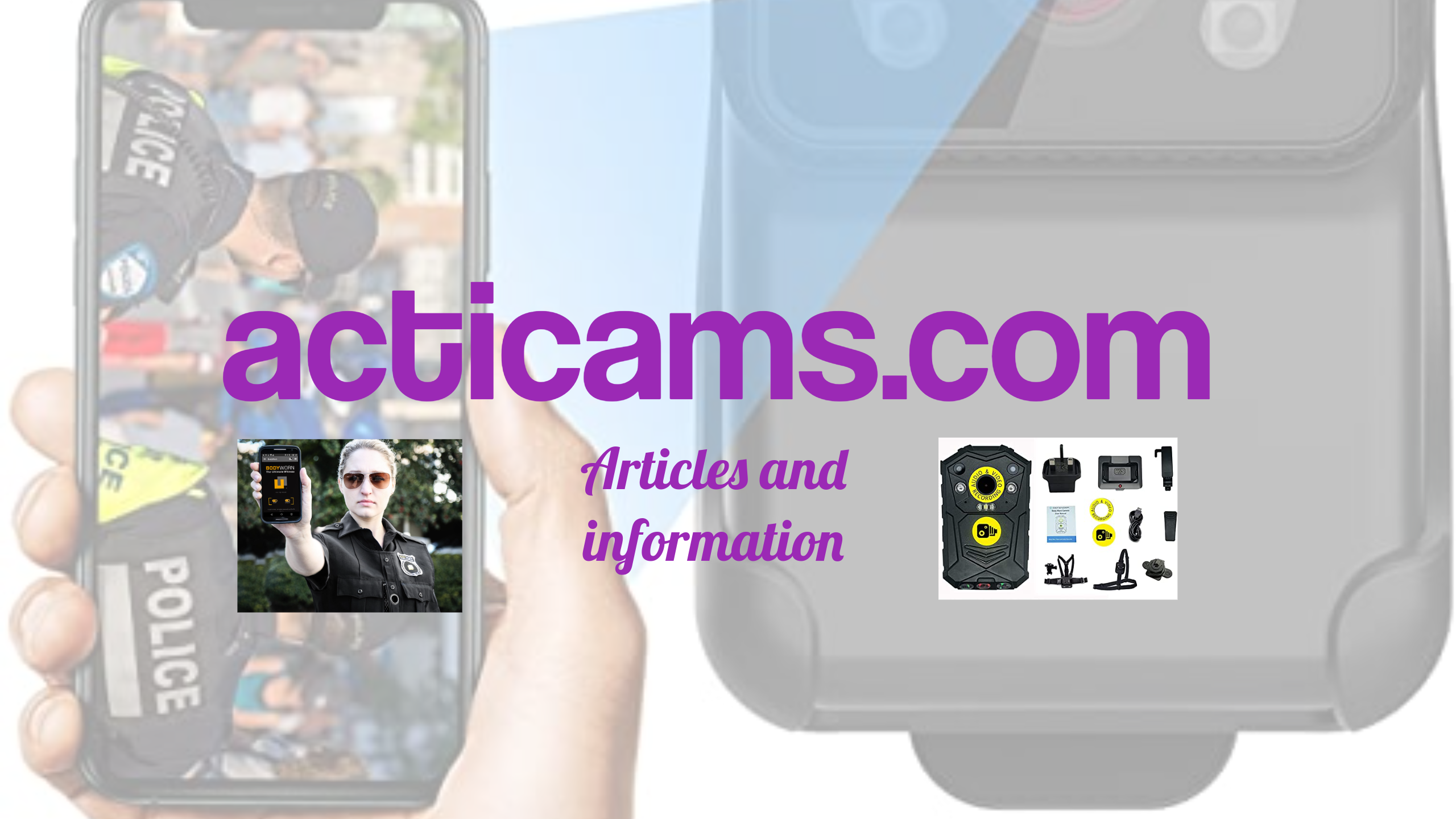
Body cams are small, wearable cameras that are typically attached to the chest or headgear of law enforcement officers. These cameras are designed to record audio and video footage of interactions between officers and the public during their shifts. The main purpose of body cams is to provide an unbiased record of events that can be used as evidence in investigations and court cases.
When an officer activates their body cam, it begins recording both audio and video footage of everything happening in front of them. Most body cams have a wide-angle lens to capture a broad view of the scene and ensure nothing is missed. The footage is stored securely on the cam's internal memory or a cloud-based storage system, depending on the model.
Body cams have a built-in feature that prevents footage from being altered or deleted once it has been recorded. This ensures the integrity of the recording and helps maintain transparency and accountability in law enforcement interactions. Officers are typically required to turn on their body cams during all interactions with the public to ensure that all encounters are properly documented.
Benefits of Using Body Cams
There are numerous benefits to using body cameras in various situations, whether it be in law enforcement, security, or even in personal use. One of the main advantages of body cams is that they provide an unbiased record of events, helping to protect both the wearer and others involved. This video evidence can often be crucial in court cases or when investigating incidents, providing a clear picture of what truly happened.
Another benefit of body cams is their ability to act as a deterrent to potential criminals or aggressors. Knowing that their actions are being recorded can often make individuals think twice before engaging in risky behavior. In law enforcement, body cameras have been shown to reduce the number of use-of-force incidents, as both officers and suspects are more likely to behave appropriately when being recorded.
Body cameras also have a positive impact on accountability and transparency. By wearing a body cam, individuals are held accountable for their actions, leading to more ethical behavior. Additionally, the footage captured by body cameras can be used to review and improve practices within organizations, helping to build trust with the public and ensure that procedures are being followed correctly.
Body Cams in Law Enforcement
Body cams, also known as body-worn cameras, are becoming increasingly popular among law enforcement agencies across the world. These small devices are worn by police officers to record audio and video footage of their interactions with the public while on duty. The use of body cams has been praised for increasing transparency and accountability in law enforcement, as well as providing valuable evidence in investigations.
One of the main benefits of body cams is the ability to provide an unbiased record of events. With footage captured by these devices, both officers and civilians can be held accountable for their actions. This can help prevent unjust behavior on both sides and can provide valuable evidence in the case of disputes or legal proceedings. In addition, body cams have been shown to reduce the number of complaints against police officers, as individuals are less likely to make false accusations when they know their actions are being recorded.
In addition to improving accountability, body cams can also help enhance officer safety. By recording interactions with the public, these devices can provide valuable evidence in the case of an altercation or dangerous situation. This can help protect both officers and civilians by providing an accurate account of what took place. Overall, the use of body cams in law enforcement has been shown to have a positive impact on transparency, accountability, and safety for both officers and the public.
Privacy Concerns with Body Cams
Body cameras have become an essential tool for law enforcement officers in enhancing accountability and transparency. However, along with the benefits of increased safety and evidence collection, there are growing concerns about the impact of body cams on privacy.
One of the main privacy concerns with body cameras is the potential invasion of individuals' privacy rights. As officers wear these cameras while on duty, they are continuously recording their interactions with the public. This raises questions about when and where these recordings are appropriate and who has access to them.
Additionally, there are worries about how long these recordings are stored and who can access the footage. If not properly managed, these recordings could end up in the wrong hands, leading to unnecessary exposure of private moments or sensitive information.
As technology continues to evolve, it is crucial for law enforcement agencies to address these privacy concerns and implement strict protocols to ensure that body cameras are used responsibly and ethically. Balancing the need for transparency with the protection of individuals' privacy rights is essential in maintaining public trust in the use of body cameras.